(256) 258-9333


Loss of teeth can cause problems with appearance as well as functionality. They can impact your confidence, speech, and ability to chew food comfortably. Dental implants provide a ground-breaking remedy by permanently and aesthetically restoring lost teeth. But how exactly does the dental implant procedure work? Let’s break down the process step-by-step, from initial consultation to enjoying your restored smile.
Understanding Dental Implants:
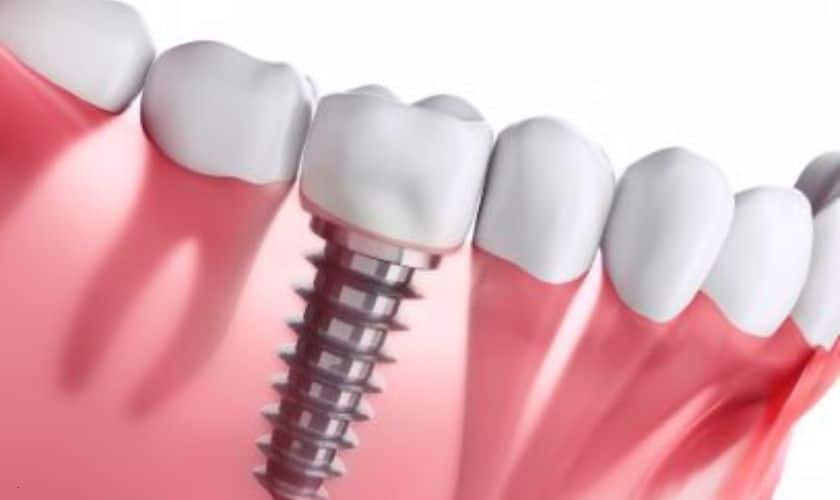
Dental implants are tiny, biocompatible titanium posts that resemble screws. They are surgically inserted into your jawbone, where they fuse with the bone over time through a process called osseointegration. This creates a strong foundation for a dental crown, bridge, or denture, restoring the functionality and aesthetics of a missing tooth (or teeth).
The Step-by-Step Guide:
The dental implant procedure typically involves several stages, spread out over several weeks or months, depending on your individual case:
- Initial Consultation and Evaluation: During your first visit, your dentist will conduct a thorough examination of your mouth and teeth, including X-rays and CT scans to assess your jawbone health and suitability for implants.
- Treatment Planning: Once the dentist confirms your candidacy for implants, they will develop a customized treatment plan based on your specific needs and the number of teeth being replaced.
- Optional: Tooth Extraction: If the missing tooth still has a root, it will be extracted during this stage to make way for the implant placement.
- Implant Placement Surgery: This surgical procedure, typically performed under local anesthesia or sedation, involves making a small incision in the gum tissue to access the jawbone. The dentist drills a tiny hole in the jawbone to accommodate the implant post, which is then inserted and secured. The gum tissue will be stitched closed to allow for healing. In some cases, depending on your jawbone density, a bone grafting procedure might be necessary before implant placement.
- Healing and Osseointegration: The following months are crucial for osseointegration, where the jawbone fuses with the implant post. This process typically takes 3-6 months for the lower jaw and 4-8 months for the upper jaw. During this time, you might be fitted with a temporary restoration for aesthetic purposes.
- Abutment Placement: Once osseointegration is complete, your dentist will place a small connector piece called an abutment onto the implant post. This abutment serves as the foundation for the final restoration (crown, bridge, or denture). This procedure usually involves a minor surgical intervention.
- Final Restoration: Finally, the dentist will create and attach the permanent crown, bridge, or denture to the abutment, restoring the functionality and aesthetics of your missing tooth. You’ll receive care instructions to ensure optimal healing and maintain the longevity of your dental implant.
Recovery and Aftercare:
Following the dental implant procedure, some swelling and discomfort are normal. Your dentist will prescribe pain medication and provide specific aftercare instructions to promote healing and prevent complications. Maintaining good oral hygiene through regular brushing, flossing, and professional dental cleanings is crucial for the long-term success of your dental implants.
Benefits of Dental Implants:
Comparing dental implants to conventional bridges or dentures has several benefits:
- Improved Functionality: Implants function similarly to natural teeth, allowing you to chew food comfortably and speak clearly.
- Enhanced Aesthetics: Dental implants look and feel natural, restoring your smile’s confidence and beauty.
- Long-lasting Durability: With proper care, dental implants can last a lifetime, offering a cost-effective solution in the long run.
- Improved Jaw Health: Implants stimulate the jawbone, preventing bone loss that can occur with missing teeth.
Considering Dental Implants?
If you’re missing teeth and seeking a permanent and reliable solution, dental implants might be the right choice for you. Consult with a qualified dentist experienced in implant placement to discuss your candidacy and explore the possibilities. They can answer your questions, address any concerns, and guide you through the entire process. Remember, a healthy and complete smile can significantly improve your quality of life, and dental implants can be the key to achieving it.