(256) 258-9333

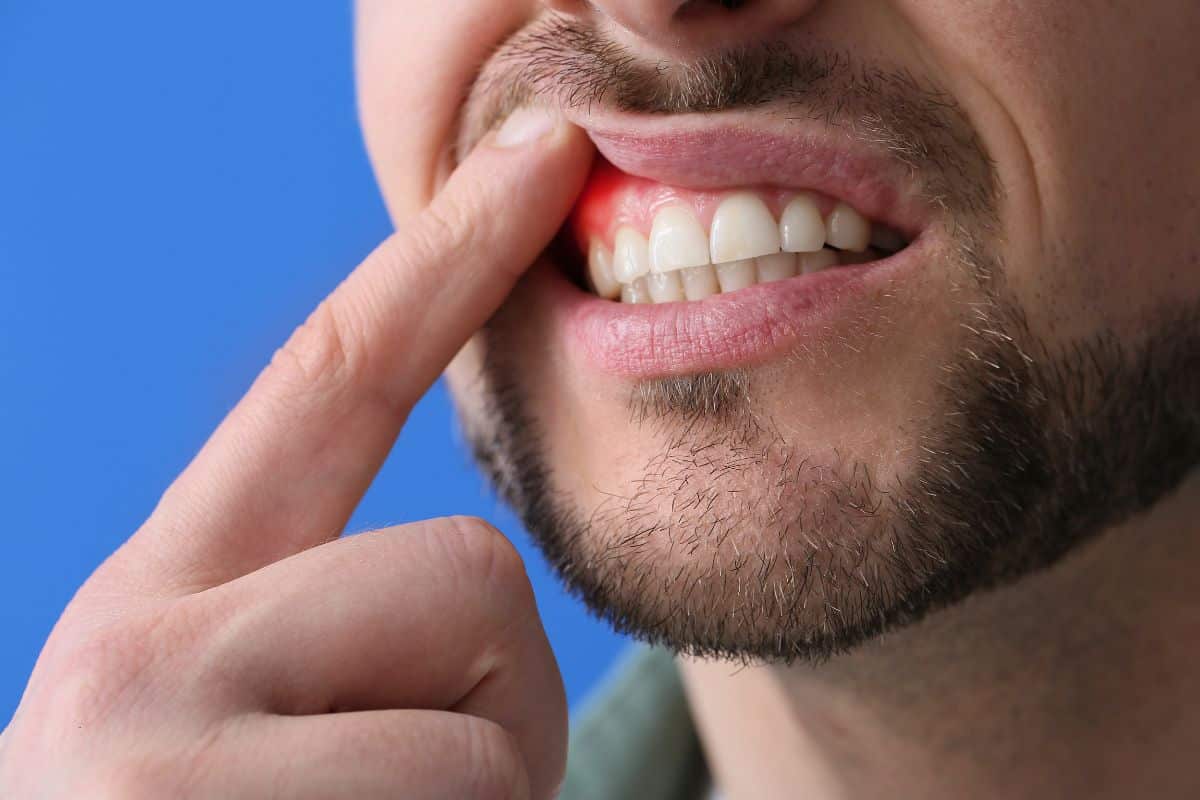
Many people think gum disease only affects the mouth, but the truth is, periodontal disease can impact your entire body. Your general health is intimately related to the state of your mouth. If you have gum disease, it’s not just your teeth and gums that are at risk—your heart, lungs, and other vital organs can be affected too. Let’s dive into how periodontal disease goes beyond the mouth and what you can do to protect your health.
What Is Periodontal Disease?
Periodontal disease, commonly known as gum disease, starts with plaque buildup along the gumline. Plaque contains bacteria that, if not removed through proper brushing and flossing, can irritate the gums. This irritation leads to inflammation, causing gums to become red, swollen, and prone to bleeding. If left untreated, the infection progresses, affecting the bone that supports your teeth, eventually leading to tooth loss.
Connection Between General Health and Periodontal Disease
Research has shown a strong link between periodontal disease and several serious health conditions. Inflammation is the key player here. The same bacteria and inflammatory response that damage your gums can enter your bloodstream, traveling to other parts of your body.
Heart Disease
The relationship between gum disease and heart disease is among the most alarming. Studies have found that people with periodontal disease are more likely to develop heart problems. The bacteria from gum infections can travel through your bloodstream and cause inflammation in your arteries. This can lead to atherosclerosis, a condition where plaque builds up inside your arteries, increasing the risk of heart attack or stroke.
Diabetes
If you have diabetes, you’re at a higher risk of developing gum disease, and the relationship works both ways. Gum disease makes it harder for your body to control blood sugar levels, making diabetes management more challenging. Conversely, high blood sugar levels in diabetics can contribute to the progression of periodontal disease. Maintaining good gum health is crucial for managing diabetes.
Respiratory Issues
The bacteria from gum disease can also travel to your lungs, especially if you have a compromised immune system. Pneumonia and other respiratory illnesses may result from this. People with chronic obstructive pulmonary disease (COPD) are particularly susceptible to infections from oral bacteria, making periodontal health even more critical.
Pregnancy Complications
Hormonal changes during pregnancy make women more prone to gum disease. If left untreated, gum disease during pregnancy can lead to serious complications, including preterm birth and low birth weight. The inflammation caused by periodontal disease may increase the levels of certain chemicals in the body that induce labor, posing a risk to both mother and baby.
Advanced Dental Tools: Better Prevention and Treatment
Today’s dental practices use advanced tools to help diagnose and treat periodontal disease, keeping your overall health in check. Electric handpieces, intraoral cameras, digital X-rays, and rotary endodontics are all cutting-edge technologies that improve treatment outcomes.
- Electric Handpieces: These modern devices make procedures like scaling and root planing more efficient and precise. By allowing dentists to remove plaque and tartar buildup effectively, they help stop the progression of gum disease.
- Intraoral Cameras: With intraoral cameras, your dentist can get a close-up view of your gums and teeth. These cameras can detect early signs of gum disease before it becomes severe, allowing for earlier intervention.
- Digital X-Rays: Unlike traditional X-rays, digital X-rays offer quicker, clearer images with less radiation exposure. They can show bone loss caused by advanced periodontal disease, helping your dentist create a more accurate treatment plan.
- Rotary Endodontics: This tool is often used for root canal procedures, which can be necessary if periodontal disease causes infections in the tooth pulp. Rotary endodontics makes root canals quicker and less painful, improving the patient’s overall experience.
Prevention: The Best Cure
You don’t have to wait for periodontal disease to affect your overall health. Preventative care is the most effective way to protect both your mouth and body. Here’s what you can do:
- Brush and Floss Daily: Good oral hygiene is your first line of defense. Brush your teeth twice a day and floss at least once to remove plaque buildup.
- Regular Dental Checkups: See your dentist in Huntsville regularly for professional cleanings and checkups. Your dentist can spot early signs of gum disease and help you prevent it from progressing.
- Healthy Diet: A balanced diet rich in vitamins and minerals can boost your immune system and keep your gums healthy.
- Quit Smoking: Smoking increases your risk of periodontal disease and other serious health issues. If you smoke, quitting can improve your oral and overall health.
Conclusion
Periodontal disease isn’t just about your gums. It can affect your heart, lungs, and even complicate conditions like diabetes. By maintaining good oral hygiene and seeing your dentist regularly, you can prevent gum disease from impacting your overall health. Modern dental technology like electric handpieces, intraoral cameras, digital X-rays, and rotary endodontics makes both prevention and treatment more effective. Don’t wait for a gum infection to turn into a bigger health issue—take action now to protect your smile and your health.