(256) 258-9333

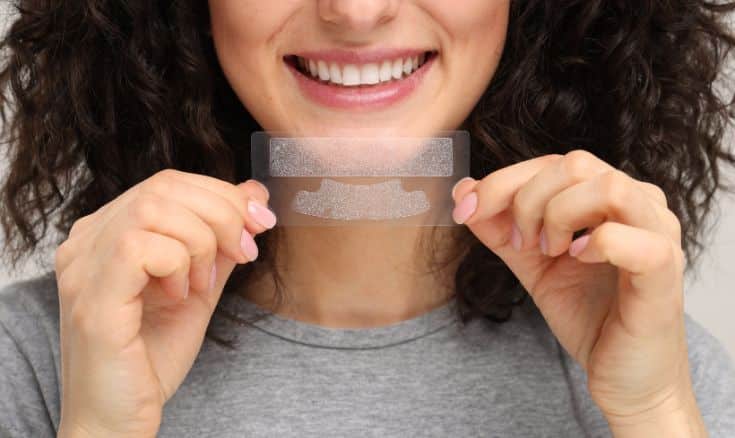
A bright, white smile can boost confidence and leave a lasting impression. That’s why teeth whitening strips have become a popular at-home option for achieving a pearly white grin. But before you stock up on strips, let’s explore the truth: are whitening strips good for your teeth?
Whitening Power: Yes, But With Limits
The good news? Whitening strips can effectively whiten teeth. They typically contain hydrogen peroxide or carbamide peroxide, which break down stain molecules on the tooth surface. This can lighten surface stains caused by coffee, wine, and other coloring foods and drinks.
However, whitening strips have limitations:
- Milder Results: Compared to professional whitening treatments, strips offer a subtler level of whitening. Don’t expect a Hollywood smile overnight.
- Uneven Coverage: Strips may not reach all tooth surfaces uniformly, especially behind teeth or near the gumline.
- Limited Impact on Intrinsic Stains: Deep stains caused by medications, genetics, or trauma may not respond well to strips.
Safety First: Potential Side Effects
While generally safe for most people, whitening strips can cause temporary side effects:
- Tooth Sensitivity: The bleaching agents can irritate nerves, leading to sensitivity, especially to hot or cold beverages. This usually subsides after stopping use.
- Gum Irritation: Mild gum irritation can occur, particularly if the strips touch the gums. Opt for strips designed for gum comfort.
Who Should Skip the Strips?
Whitening strips might not be suitable for everyone:
- Those with Sensitive Teeth: If you already experience tooth sensitivity, strips may worsen it.
- People with Gum Disease: Gum inflammation can be exacerbated by strips. Consult your dentist before using them.
- Pregnant or Breastfeeding Women: The safety of whitening products during these times hasn’t been fully established.
Striking a Balance: Using Strips Safely
If you decide to try whitening strips, follow these tips:
- Consult Your Cosmetic Dentist: Discuss your suitability for strips and get recommendations for dentist-approved brands.
- Follow Instructions Carefully: Don’t overuse strips or exceed the recommended wear time.
- Choose Sensitivity-Free Formulas: Many strips are formulated to minimize sensitivity.
- Maintain Good Oral Hygiene: Brushing and flossing regularly removes surface stains, enhancing whitening results.
Considering Alternatives?
Whitening strips aren’t the only option for a brighter smile. Here are some alternatives:
- Professional Whitening: In-office whitening treatments offer faster and more dramatic results.
- Whitening Toothpaste: These toothpastes contain mild abrasives or bleaching agents for gradual whitening.
- Diet and Lifestyle Changes: Limiting staining foods and drinks and quitting smoking can help maintain a whiter smile.
Conclusion:
Whitening strips can be a convenient and effective way to whiten teeth at home. But understanding their limitations and potential side effects is crucial. Talk to your cosmetic dentist in Huntsville to determine if strips are right for you and explore alternative whitening options for a smile that shines with confidence.