
(256) 258-9333

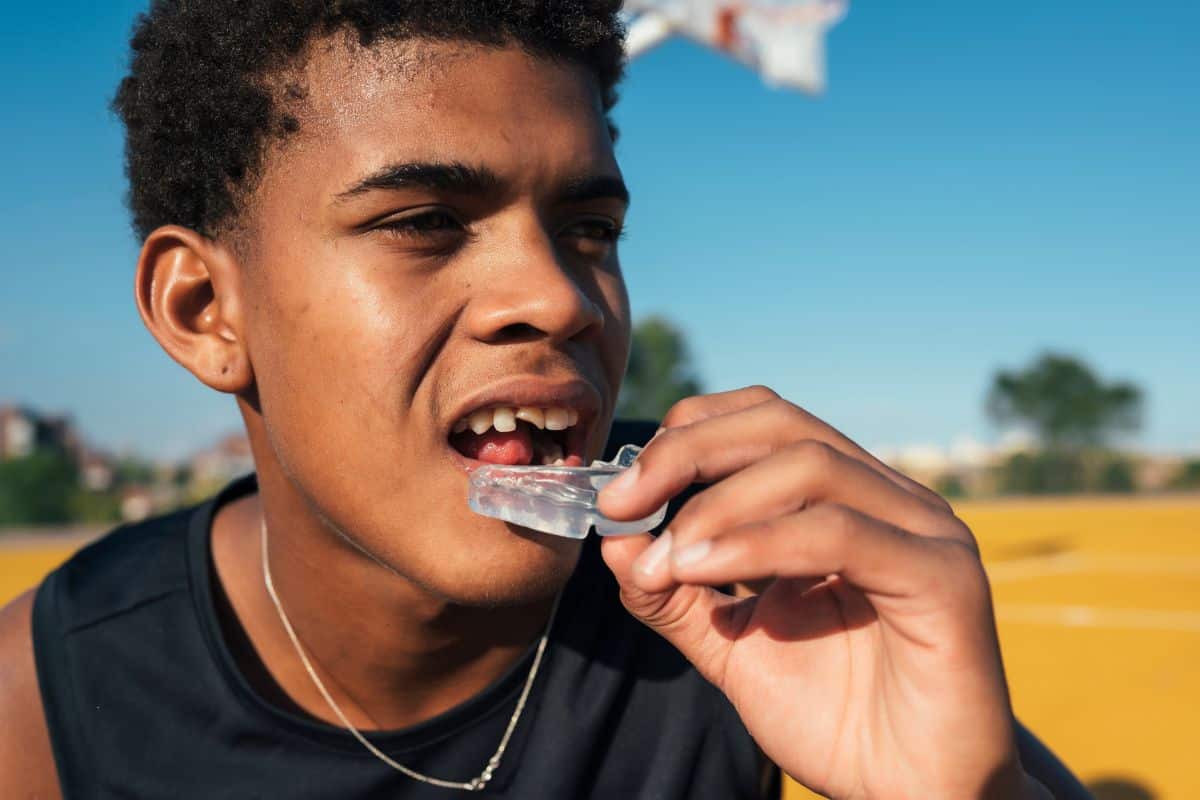
Sports mouthguards play a crucial role in protecting your teeth and gums during physical activities. However, they don’t last forever. Understanding when to replace your mouthguard ensures that you continue to safeguard your oral health effectively. Here are the top signs you need a new sports mouthguard and why replacing it promptly matters.
1. Visible Wear and Tear
The most obvious sign that your sports mouthguard needs replacing is visible wear and tear. Look for cracks, tears, or any signs of damage on the surface. A mouthguard with visible defects no longer offers optimal protection. Damaged areas can become weak spots, reducing the mouthguard’s ability to absorb impact and protect your teeth. Replace your mouthguard immediately if you notice any of these issues.
2. Changes in Fit
A well-fitting mouthguard should snugly cover your teeth and gums without causing discomfort. If you start to feel that your mouthguard no longer fits properly, it’s time for a new one. Mouthguards can lose their shape over time due to regular use and exposure to heat. An ill-fitting mouthguard might shift during activities, compromising its protective capabilities. If you find yourself needing to adjust or reposition your mouthguard frequently, replace it to ensure a secure and comfortable fit.
3. Persistent Odor
A foul smell emanating from your mouthguard is a red flag. Bacteria and fungi can accumulate on an old mouthguard, causing persistent bad odors. Even with regular cleaning, an unpleasant smell might indicate that the mouthguard has reached the end of its lifespan. To avoid potential infections and maintain good oral hygiene, replace your mouthguard if it develops a persistent odor despite thorough cleaning.
4. Discoloration
Discoloration is another sign that your mouthguard might need replacement. Over time, mouthguards can become stained from food, drinks, and other substances. While minor discoloration might not be a concern, significant changes in color or visible staining could indicate material degradation. A discolored mouthguard may no longer provide the protection it did when new, so consider replacing it if you notice considerable discoloration.
5. Increased Discomfort
If you experience increased discomfort or irritation while wearing your mouthguard, it’s time for a new one. An old mouthguard can become misshapen and no longer conform to your mouth properly. This discomfort can affect your performance in sports and lead to distractions. A new mouthguard will provide better comfort and protection, ensuring that you stay focused on the game rather than adjusting your gear.
6. Regular Replacement Schedule
Even if your mouthguard appears to be in good condition, replacing it periodically is a good practice. The American Dental Association recommends replacing sports mouthguards every year or so, depending on usage and condition. Regular replacement ensures that you always have a mouthguard that provides the best possible protection. Set a schedule to review your mouthguard’s condition and replace it as needed to stay ahead of potential issues.
Why timely replacement matters
Replacing your sports mouthguard in a timely manner is crucial for several reasons. An old or damaged mouthguard fails to protect your teeth effectively, increasing the risk of dental injuries. Sports accidents can lead to chipped, cracked, or even knocked-out teeth, which can be costly and painful to treat. A new mouthguard ensures that you maintain the highest level of protection and avoid these potential dental issues.
Moreover, wearing a well-maintained mouthguard contributes to overall comfort during physical activities. It helps you stay focused and perform at your best without the distraction of an ill-fitting or damaged mouthguard.
Conclusion
Regularly inspect your sports mouthguard for signs of wear and tear, changes in fit, persistent odor, discoloration, and discomfort. Adhering to a replacement schedule will help you maintain optimal protection for your teeth and gums. Invest in a new mouthguard when needed to ensure you stay safe and comfortable during your sports activities. Prioritize your oral health and continue enjoying your favorite sports with confidence.